
The rising value of leak detection in a high-risk built environment
A surge in water-damage claims is driving homeowners and commercial operators toward smarter, faster, proactive protection.
By Natalie Forster
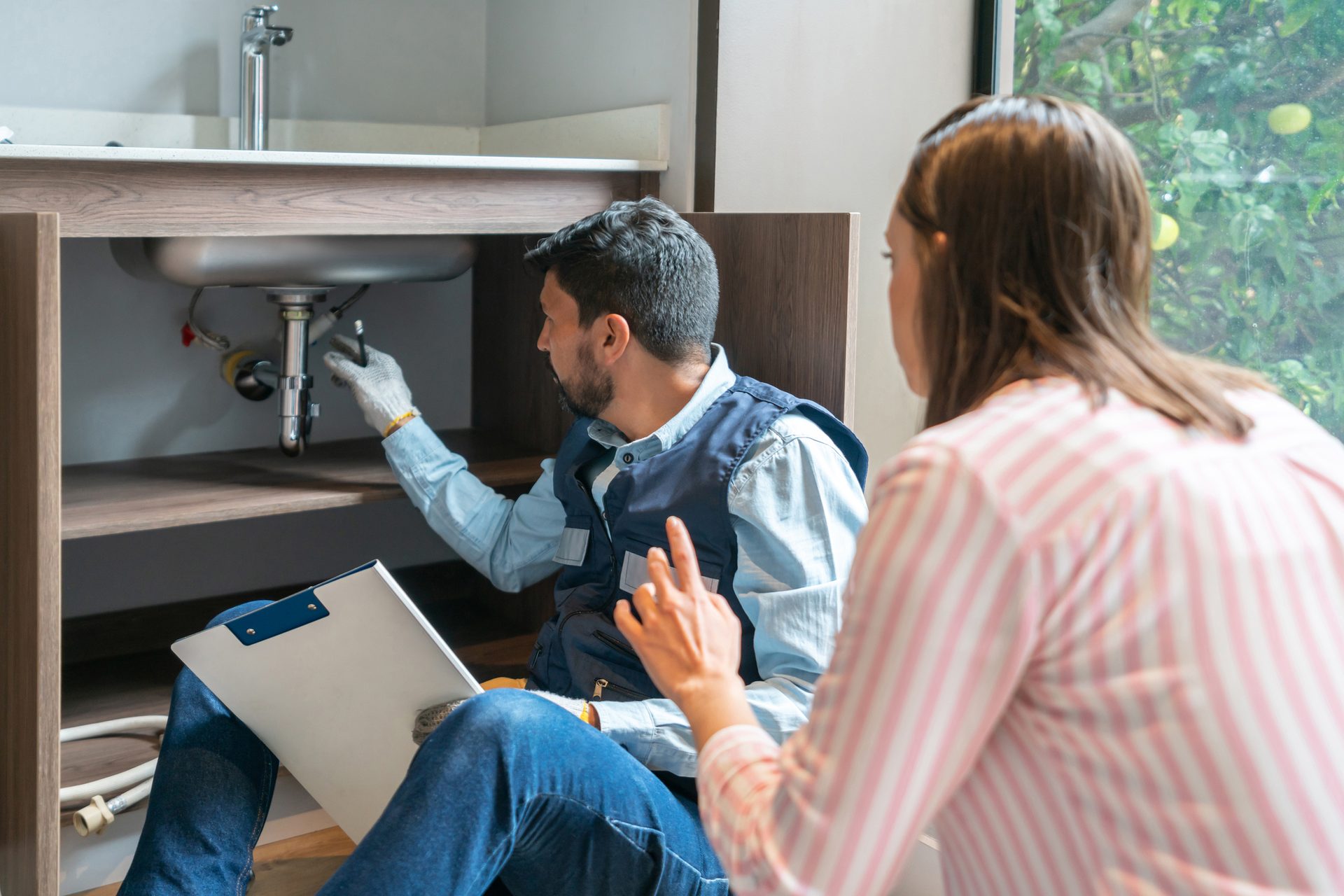
Hispanolistic / E+ / Via Getty Images
For years, the plumbing industry treated leak detection as a courtesy add-on or a sustainability talking point. That era is over. According to data compiled by Guardian Service, water damage and freezing accounted for about 22.6% of all home insurance claims between 2019 and 2023, and the average claim cost for those events was over US $15,000. In the residential market, the average payout for standard water-damage and freezing incidents is typically between US $12,500 and US $14,000. Meanwhile, in commercial settings, the stakes are even higher: some industry reports place the average water-damage incident in a commercial facility at around US $150,000, with major disasters escalating into the six-figure or even seven-figure range.
In short, leak detection isn’t just about patching drips—it’s about preventing major losses, safeguarding insurability, protecting operations, and elevating the role of plumbing professionals. Whether in a single-family home or a multi-tenant high-rise, the expectations placed on plumbing systems—and on the contractors and engineers who service them—have shifted dramatically.
A changing landscape for residential plumbing
In the residential sector, the shift has been swift and consequential. “Plumbers now play a major role in enabling insurable homes and delivering peace of mind for homeowners,” says Ian Greene, marketing director for Flologic. Home-owners insurance companies are increasingly requiring leak-detection devices as part of underwriting or renewal decisions—forcing plumbing contractors to speak not just about pipes and fixtures, but also about system risk and insurability.
Many homeowners now understand that older plumbing systems, hidden leaks, and gradual damage compromise both structure and coverage. According to PolicyGenius, about 1 in 60 insured homes files a water-damage or freezing claim each year, and nearly 20% of all home-insurance claims stem from water damage or freezing. The average payout during that period was roughly US $11,650.
Greene notes that customers increasingly want assurance that a small drip won’t turn into a major claim—and that their insurance won’t deny coverage because of delayed maintenance or hidden leaks. Smart leak-detection systems—especially flow-based or shut-off technologies—offer that assurance by analyzing usage patterns, delivering alert notifications, and in some cases turning off the water automatically before damage becomes severe.
For residential plumbing professionals, this evolution opens up a new value proposition. Annual service plans, technology audits, and proactive check-ups can reduce emergency calls, strengthen customer loyalty, and position the contractor as a true risk-mitigation partner.
The alignment between detection technology and insurability is clear: systems that reduce losses are being recognized by insurers with better terms and fewer exclusions.

Commercial facilities embrace proactive risk management
The commercial world is seeing a parallel and perhaps more dramatic shift. “Large facilities face a greater concentration of risk,” explains Yaron Dycian, chief product and strategy officer for WINT – Water Intelligence, who specializes in commercial leak-detection strategies. The plumbing footprint in a commercial building is typically larger, more complex, and carries higher stakes: business interruption, tenant damage, sensitive equipment, and reputational risk all come into play.
One study by Perceptive Things reports that the average water-damage claim for a commercial building is over US $11,000, with larger and more complex incidents driving substantially higher losses. Another source places the average at $150,000 per incident, with major disasters ranging from US $680,000 to $2.8 million. Facility-management and insurance reports suggest water leaks account for 10 %–25 % of total facility-maintenance and repair costs in some cases.
Dycian points out that modern smart-detection systems are now part of the building’s risk strategy: integrating flow-based monitoring, analytics, automated shut-off, and connectivity to building-management systems. For facility managers, these systems provide visibility, control, and data—turning plumbing from a reactive service into a strategic resilience asset.
For commercial contractors and engineers, this shift creates opportunities to collaborate with risk managers, insurance underwriters, and operations teams—offering not just installation, but system design, integration, monitoring, and reporting.
Technology is redefining what “smart plumbing” means
Across both residential and commercial sectors, technology is rewriting the expectations for plumbing‐system performance. Traditional spot sensors (that trigger when water touches the floor) are still useful—but they no longer represent best practice. The industry is accelerating toward continuous-monitoring systems that evaluate flow, pressure, and usage behavior in real time.
Connectivity is also transforming expectations. Devices that once operated independently now communicate via cloud platforms and mobile apps, enabling immediate alerts to homeowners, facility managers, and service professionals. Some systems take proactive action by automatically shutting off water supply to limit damage.
Insurance trends reinforce the shift. For example, Guardian Service reports that just one inch of water in a typical home can cause up to US $25,000 in damage. The alignment between detection technology and insurability is clear: systems that reduce losses are being recognized by insurers with better terms and fewer exclusions.
Smarter plumbing today means sensors, analytics, automatic shut-off, remote monitoring, and seamless integration with building systems and service providers—across both home and commercial settings.
A new level of professional responsibility
For plumbing professionals, whether servicing homes or commercial campuses, leak detection is no longer an optional add-on—it’s becoming a core value proposition. Home-owners increasingly look to their contractors not just for repairs, but to protect their largest investment. Commercial building owners expect contractors and engineers who understand how plumbing networks integrate with building systems, insurance programs, and performance goals.
That means educating clients about risk, explaining insurance implications, and recommending technology aligned with long-term goals. It means shifting from reactive emergency response to proactive risk prevention—and becoming a trusted advisor in water-management strategy.
For those who adopt a proactive, tech-forward mindset, the opportunity is clear: stronger client relationships, fewer emergency calls, reduced liability, and a leadership position in an industry that is rapidly redefining what “smart plumbing” truly means.
