The rise of onset water reuse
Rainwater captured on-site can be treated and reused, reducing reliance on municipal water supplies.
By Kristen Bayles
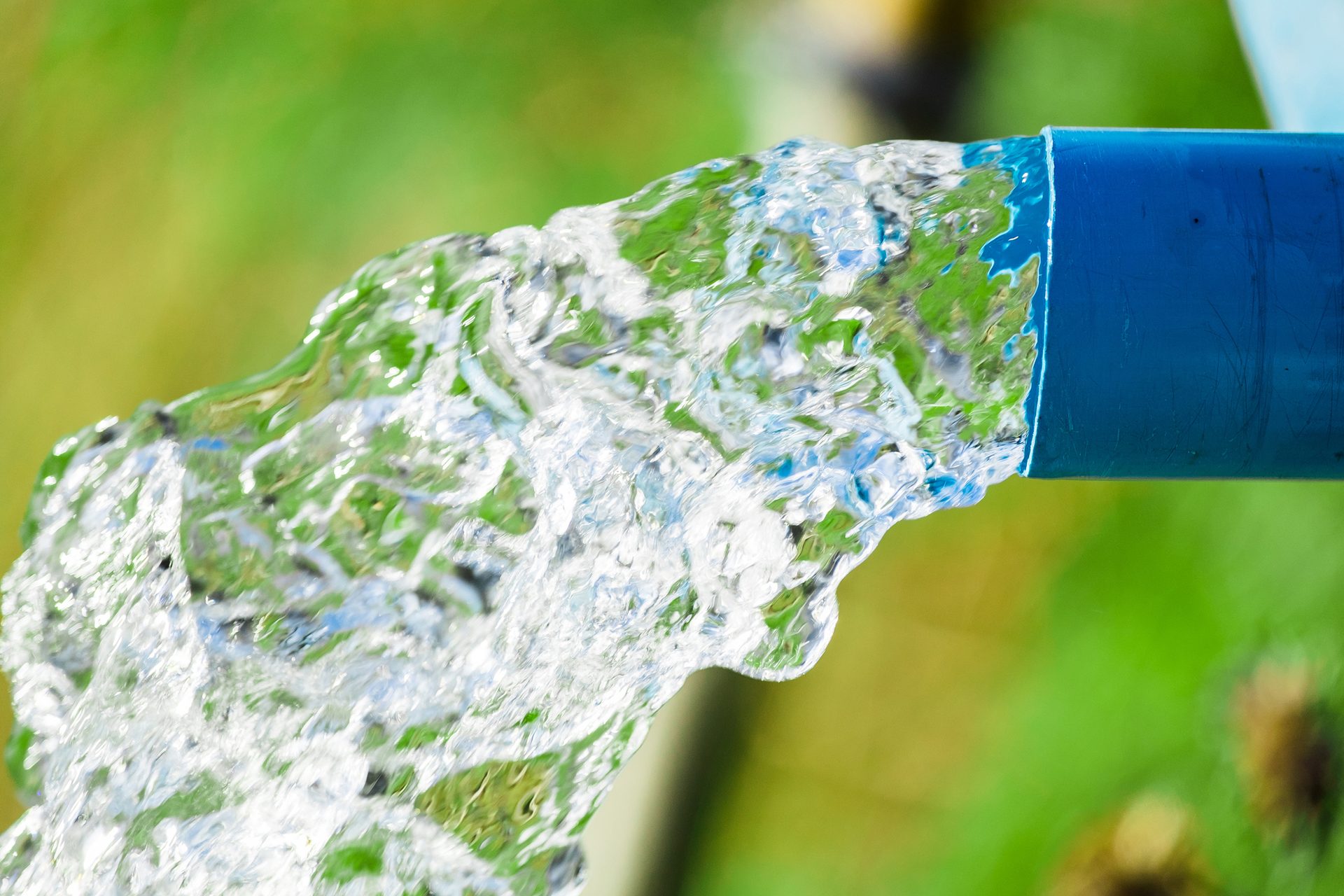
Rainwater captured on-site can be treated and reused, reducing reliance on municipal water supplies. Panya_ / iStock / Getty Images Plus / Via Getty Images
Climate change is intensifying droughts in the West and Southwest, extreme storms are overwhelming stormwater systems in the Northeast and Midwest and urban populations continue to grow at a pace that strains municipal infrastructure. At the same time, many water and wastewater systems are decades old, operating at or even beyond capacity, and requiring costly upgrades to maintain reliability. Rising utility rates, stricter regulations and increasing expectations from tenants and investors for sustainable practices are pushing building owners and developers to rethink how water is sourced, managed and reused within their properties.
Onsite water reuse systems are emerging as a practical and scalable solution to these converging pressures. By capturing, treating, and recycling water from sources such as rainwater, greywater, HVAC condensate and even blackwater, buildings can turn what was historically a waste stream into a reliable, cost-saving resource.
Aaron Tartakovsky, CEO of Epic Cleantec, explains: “Onsite water reuse systems allow [owners] to capture value from every drop—turning what was historically a cost center and a waste stream into a long-term asset.” Beyond improving efficiency and lowering utility costs, these systems can enhance resilience, helping buildings maintain operations even when municipal supplies are stressed or infrastructure is compromised.
What’s driving the water reuse movement?
The surge in water reuse adoption is being fueled by a major convergence of economic, environmental and regulatory pressures. There are three main forces driving building owners to embrace onsite water reuse: worsening water scarcity, constrained wastewater treatment capacity and aging infrastructure. Tartakovsky told me, “Utilities are being forced to invest heavily in upgrades, expansions and regulatory compliance,” he noted. “Those costs are increasingly passed on to customers through higher water and sewer rates.”
For developers and property owners, onsite water reuse represents a proactive way to manage both costs and operational risk. By recycling water internally, buildings can reduce potable water purchases and sewer discharge fees, creating a more predictable financial profile over time.
There’s a growing market and regulatory incentive: buildings that incorporate water reuse technologies can meet sustainability certifications and attract tenants increasingly focused on environmental stewardship. Tartakovsky added, “For many of our clients, water reuse is not just a sustainability upgrade—it’s a strategic response to rising rates, capacity constraints and the reality that traditional infrastructure can’t do it all anymore.”
Christopher Peterson, national sales manager at Saniflo, echoed this sentiment, noting that industrial, commercial and residential clients are motivated by both regulatory requirements and practical water management concerns. “Many areas of the country, especially in rapidly growing cities like Phoenix, AZ, are stressing concerns over residential water availability. In fact, many housing projects in West Phoenix have been forced to take certain measures to curb housing proliferation and have exercised regulatory pressure until officials are positive that water can be supplied without adding more stress on existing neighborhoods.” Peterson said. “Builders have been forced to adapt and implement water-saving standards to meet these regulatory demands.”
Eddie Van Giesen, national sales manager for RainCycle at Watts Water Technologies, added that environmental events are also shaping demand. “Municipalities, developers, and property owners have become increasingly aware of the environmental and economic benefits of reuse, especially during extreme weather events such as flooding,” he said. Capturing and storing rainwater, particularly in urban areas with combined sewer systems, helps reduce overflow events and mitigates pollution risks in local waterways.
Regulatory and perception hurdles
While the technical benefits of water reuse are clear, widespread adoption has – unfortunately – been slowed by regulatory constraints and public perception historically. Most water and wastewater rules in the United States were written for a centralized system; large treatment plants, long distribution networks and linear flows of water in and out of buildings. Onsite water reuse fundamentally reimagines that model, and as Aaron Tartakovsky explains, “Many existing building codes and health regulations simply don’t account for decentralized treatment. A major barrier is working closely with regulators to introduce these systems, share the growing national precedent, and demonstrate that onsite treatment can meet or exceed the safety and performance of traditional infrastructure.”
Tartakovsky emphasizes the steps Epic Cleantec takes to navigate these hurdles: “We participate in regulatory working groups, partner with agencies developing new guidelines, host delegations of city and state officials and regularly offer facility tours and technical trainings for permitting teams and environmental health departments. These engagements help demystify the technology, build confidence, and speed the establishment of clear, modern regulatory pathways.” This approach ensures that building owners and developers can deploy water reuse systems without encountering unforeseen permitting delays.
Water is the only commodity for which there is no substitute. As global needs continue to grow, learning how to source and manage water on-site will prove more critical than ever.

Public perception is another important consideration. Despite decades of proven performance, the concept of reusing water — especially from greywater or blackwater sources — can trigger hesitation. “There’s a long-standing ‘yuck factor,’” Tartakovsky notes. “Even when advanced treatment technologies are trusted, public perception often lags behind the science.” Epic Cleantec has addressed this challenge creatively; their demonstration of brewing a Kölsch-style beer using recycled wastewater garnered widespread media attention and TIME Best Invention recognition, showing that when people experience the quality firsthand, skepticism fades.
Christopher Peterson echoed this point, highlighting that regulatory compliance is often the first motivator for water reuse adoption, particularly in residential and commercial settings. “Many municipalities have strict enforcement when it comes to rules and regulations, and there’s a growing trend for green buildings and smart water management,” he says. For industrial users, the stakes are even higher: ensuring a safe, continuous supply of water for manufacturing, HVAC, or hydroponic operations makes compliance non-negotiable.
Van Giesen adds that demonstrating reliability and consistency is critical to winning both regulatory and public confidence. “RainCycle systems capture, store, treat and deliver non-potable water safely, and our configurations meet a wide variety of site conditions,” he explained. “By reducing stormwater impacts and conserving potable water, these systems show regulators and communities that water reuse is not only safe but also an essential tool for climate resilience and sustainable urban development.”
Taken together, these regulatory and perception hurdles highlight the importance of education, demonstration, and policy evolution in advancing water reuse adoption. As Tartakovsky noted, “Through deep regulatory engagement, comprehensive project delivery, public education and operational excellence, we’re helping modernize a centuries-old regulatory model and expand the path for safe, scalable onsite water reuse nationwide.”
Types of water reuse systems
Onsite water reuse technologies can tap a wide range of water sources. Tartakovsky says Epic Cleantec offers systems for greywater, blackwater, rainwater, HVAC condensate and combinations thereof. Their OneWater Rain system, for example, captures rainwater and condensate for non-potable uses like irrigation, toilet flushing, cooling towers and laundry. Condensate recovery alone can provide hundreds of thousands of gallons of clean water annually that would otherwise be lost to the sewer. “Our systems are engineered to handle these streams safely, reliably and efficiently,” Tartakovsky explained.
Saniflo also emphasized source-specific solutions. For residential applications, greywater systems capture water from showers, sinks and appliances, while rainwater harvesting provides irrigation water. Commercial projects often rely on greywater and blackwater treatment, and industrial facilities may use reverse osmosis or evaporative collection for reuse in boilers and HVAC systems. Peterson noted that industrial clients are especially motivated by water efficiency and regulatory compliance.
Systems like Watts Water Technologies’ RainCycle system target rainwater and condensate reuse for commercial, residential and industrial applications. Van Giesen explained, “Tanks, filters, pumps and controls are just a few of the elements that comprise a rainwater harvesting solution, which can benefit the user by conserving potable water and reducing the impacts of stormwater runoff.”
Sustainability and operational benefits
Beyond regulatory compliance and public perception, water reuse systems deliver tangible environmental and operational benefits that are increasingly hard for building owners and developers to ignore. Across residential, commercial, and industrial applications, these systems reduce dependence on municipal water supplies, lower sewer discharge volumes, and enhance overall resilience.
Tartakovsk emphasized that the environmental benefits are substantial: “Our OneWater solutions enable properties to recycle up to 95% of their water, transforming wastewater into clean, high-quality recycled water. By dramatically reducing potable water demand and sewer discharge, the system helps properties lower operating costs, shrink their environmental footprint, and meet ambitious sustainability and resiliency goals.” This approach, and ones like it, support climate-conscious building practices and strengthen long-term operational predictability by insulating properties from rising utility rates and water scarcity.
Eddie Van Giesen highlighted that water reuse systems are particularly valuable in commercial or industrial facilities where high-volume water use can strain municipal infrastructure, especially during extreme weather events: “Facilities like data centers or pharmaceutical campuses rely on massive amounts of water for cooling. Onsite capture and reuse minimize strain on the infrastructure and ensure operational continuity.”
Collectively, these sustainability and operational benefits show that water reuse systems are so much more than environmental upgrades; they’re strategic investments. Buildings gain predictable operating costs, reduced reliance on centralized infrastructure and the ability to demonstrate meaningful progress toward corporate sustainability goals. As Tartakovsky notes, “By recycling water within the building, owners can reduce both potable water purchases and sewer discharge fees, improving the operating profile of the property over time.”
Market outlook
Looking ahead, industry leaders expect distributed water reuse to expand rapidly. Tartakovsky predicts that onsite systems will increasingly supplement centralized infrastructure, much as distributed solar and battery storage reshaped the energy sector. Early adoption in cities like San Francisco and Austin demonstrates the feasibility and benefits of decentralized water reuse, and similar policies are emerging in New York, Los Angeles, Washington State, and Hawaii.
Peterson anticipates steady growth driven by innovation, regulatory incentives and cost efficiencies, particularly in industrial and commercial sectors. Watts expects water reuse adoption to accelerate in technology and data center applications, where operational reliability and sustainability goals make onsite water capture critical.
The convergence of climate pressures, aging infrastructure and rising costs ensures that water reuse will move from niche pilot projects to mainstream building design. For developers, facility managers and municipalities, embracing these systems is much more than an environmental decision; it’s a strategic investment in resilience, efficiency and long-term operational security.